Kent · Kitchen extract cleaning
Dungeness kitchen extract cleaning
Kitchen extract cleaning across Dungeness and nearby, timed so the site keeps working and signed off in writing with pictures.
- Proof of cleaning requested by an insurer
- Poor airflow at the canopy
- Missing paperwork after a change of operator
Kitchen extract cleaning in Dungeness, done properly
Insurers often want evidence of regular TR19 cleaning, and a claim can be refused or reduced without it. For a kitchen in Dungeness, our certificate and photo report give you that record for the maintenance log. Typical jobs include grease smells coming from the extract and an extract that has never been cleaned to TR19, across horizontal duct runs, canopies and hoods and extract fans. Kitchens in Dungeness book us for TR19 cleaning for three reasons: the insurer asked, the EHO asked, or the canopy is dripping. Either way, the answer is the same: a proper clean and the paperwork to match.
Grease that collects out of sight, behind the filters and along the duct, is what insurers and fire officers worry about, which is why a TR19® clean in Dungeness goes well beyond the canopy.
Somewhere as small as Dungeness, commercial kitchens are few: perhaps a pub, a school or care home kitchen, or a hall used for events. Each still has a canopy and duct that collect grease, whatever the size of the place.
Good records are part of the job. Each visit is written up with photos, listing what was done, anything we couldn’t reach and when the next visit is due. File it in your maintenance log so it’s to hand when an insurer or inspector asks.
- Location
- Dungeness (TN29)
- Wider area
- Kent
- Reporting
- Certificate and photo report
- Quote
- Fixed quote, usually within a working day
- When we work
- Out of hours as standard, 24/7 emergency line
- Telephone
- 0345 646 2711
- Last updated
- 30 October 2026
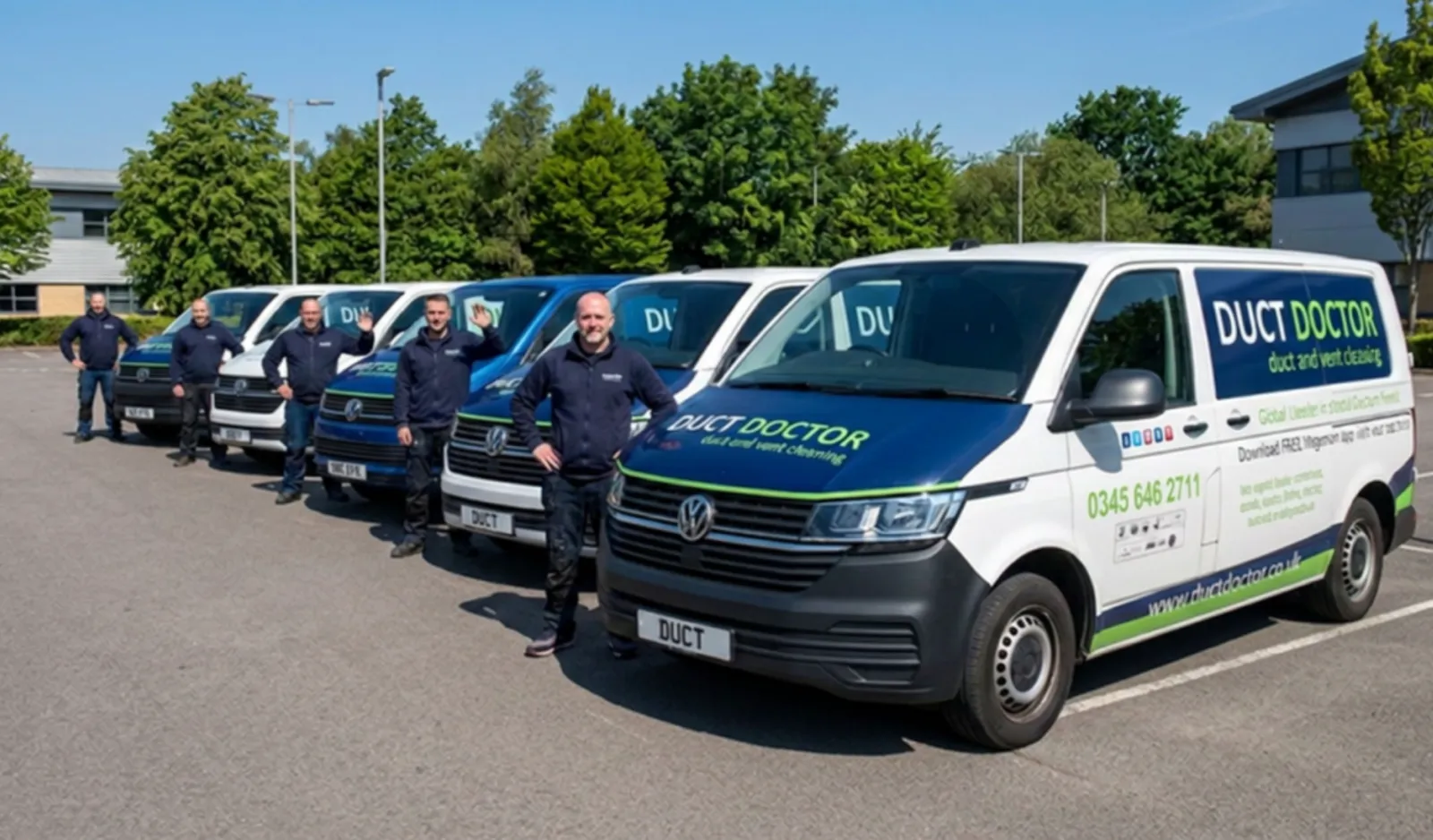
What kitchen extract cleaning looks like in Dungeness
Dungeness lies within about 1 mile of the sea. Near the sea, the fan and discharge at the top of a kitchen extract corrode faster than they would inland. It’s Folkestone and Hythe council that sends environmental health officers to food businesses in Dungeness. The cleanliness of the kitchen and its equipment, extraction included, is part of what they check. Our report lists what was cleaned and when, which is useful to have ready. Kent Fire and Rescue Service covers Dungeness. The Fire Safety Order puts the duty on whoever runs a kitchen to control its fire risk, and a greasy duct is fuel.
Before-and-after pictures and a TR19® certificate come with every clean around Dungeness.
Dungeness is about 11 miles south-west of Hythe, in Kent. We provide kitchen extract cleaning for businesses, landlords and public buildings in Dungeness and the rest of Kent. Our Kent coverage runs to 922 places, and Dungeness is one of them. Our Maidstone page covers sites nearby, about 31 miles away.
We cover every part of the TN29 postcode area for kitchen extract cleaning and the streets around it. If you need kitchen extract cleaning at premises on Dungeness Road and Reactoe One Road or a nearby road, we can help. Close by, we work in Lydd-on-Sea (2 miles north), Greatstone-on-Sea (4 miles north), Lydd (4 miles north-west), Littlestone-on-Sea (4 miles north) and New Romney (5 miles north). Larger places within reach include Folkestone (14 miles north-east), Hythe (11 miles north-east), Cheriton (14 miles north-east), South Willesborough (15 miles north), Dymchurch (8 miles north) and Willesborough (15 miles north).
Local landmarks in Dungeness
Locally, jobs take us to businesses close to Britannia Inn and the streets around them. Well-known places in the area include Lydd Town Museum (3.7 miles north-west). The countryside around Dungeness includes RSPB Dungeness and Burnthouse Pen.
Places near Dungeness
What else we do in Dungeness
How we price kitchen extract cleaning
Some jobs are bigger than they look, and some smaller. The main factors:
- The condition we find in the survey
- How big the system is
- The times the site is available
- Whether we need access equipment or extra panels
What you pay reflects the actual work. That’s why every job is surveyed first, and the price is agreed before work begins.
Asking for a quote
Photos and a few facts are often enough to price the work. Send what you can of the following:
- Close-ups of filters, grilles, hatches or access panels
- A few general shots of the system
- Anything you’ve noticed, such as smells, noise, drips or poor airflow
- The paperwork from the last visit, if you have it
Every quote begins with a look at the system, either from pictures and details you send or from a site visit. Then we send a fixed price, before we start.
Staff cleaning versus specialist work
Some jobs should never be done in-house: entering ducts, working on fans, testing dampers and taking grease readings need training, the right equipment and safe access. Leave those to us.
When your team notices a problem between visits, such as dripping grease, a noisy fan, a smell or a filter that will not come clean, they should report it rather than try to fix it. We’ll take a look and send you a fixed quote.
What happens on the day
At the end of the visit, someone from your team can look over the work with us. We point out anything that couldn’t be reached or needs a follow-up, and the same goes into the written report. All told, the work takes a single shift for most kitchens, with long duct runs and tall risers needing more time. Somewhere as small as Dungeness, the date and timings are agreed with you well before the day.
- First comes a survey of the whole system, by photos or a visit.
- Set points are tested for grease thickness and the quote is fixed before any work starts.
- On the day, cooking equipment is switched off and left to cool, and everything nearby is sheeted.
- Canopy, plenum, filters, duct runs, risers, fan and discharge are all cleaned to TR19® Grease.
- Finally the system is re-tested and photographed, and the certificate and report follow.
Preparing for the visit
- Plan for cooking equipment or plant to be off before we arrive
- Tell us about site rules, permits or sign-in
- Clear loose items from the work area
Get a fixed quote
There’s no standard price list, because every site is different. We look at your system first, from pictures or on a visit, and then give you a fixed quote. To get going, call us on 0345 646 2711 or send us an email.
Related advice
What we are called out for in Dungeness
Grease filters are the first line of defence, and they’re often the weak point. Damaged, missing or overloaded filters let grease straight past, and it does not stop until it reaches the fan.
If you notice any of these, it’s worth a diagnosis:
- Poor airflow at the canopy
- A TR19 certificate needed for the insurer
- Heavy grease build-up inside the duct runs
- An inspection that picked up a dirty extract
In and around Dungeness, every reachable section of the extract is cleaned, and anything we cannot reach goes on the report.
Before booking anyone
- Proof of insurance
- If they look at the system before pricing
- Whether the quote shows VAT
- Proof of accreditation you can verify
Dungeness: your questions answered
Who enforces fire safety at workplaces in Dungeness?
Kent Fire and Rescue Service is the fire and rescue service for Dungeness. If a fire safety officer visits a commercial kitchen, they may ask about the fire risk assessment and how the extract is kept clean.
Which environmental health team covers Dungeness?
In Dungeness, it’s Folkestone and Hythe council that carries out food hygiene inspections. Have your latest TR19® certificate and photo report to hand, as an officer may ask how the extract is maintained.
What about areas you can’t get to?
They’re marked on the report. In ductwork, new access panels are often the answer, and we can fit those.
Where does the waste go?
It’s contained and taken away. Grease, debris and waste water are collected as the work goes on, so it doesn’t spread.
Do I have to clean my extract to TR19 by law?
TR19 is not written into law, but the Fire Safety Order 2005 does require the responsible person to manage fire risk. Insurers, fire officers and EHOs look to TR19 as the standard, and many policies require it.
Can you price the work without visiting?
Yes, for many jobs. Send wide shots, close-ups of any access panels and anything that worries you, and we normally come back within one working day. Some sites still need a visit, and we will say so.
Do you offer emergency callouts?
Yes, 24/7. Our office is open from 8am to 6pm on weekdays, with the emergency line covering every other hour.
How often does a kitchen extract system need cleaning?
Under BESA guidance, the minimum depends on how long you cook each day: every 3 months for 12 to 16 hours, 6 months for 6 to 12 hours and 12 months for 2 to 6 hours. Grease readings can show a shorter interval is needed.
Looking after it afterwards
No system stays clean for ever, but care slows the build-up. A few tips:
- Run the extract fan throughout cooking
- Make sure every filter is fitted before cooking
- Keep grease collection points emptied
- Keep to the recommended cleaning interval
You get a photo report after every clean. Before and after photos show each part of the system, alongside a list of what was cleaned, anything out of reach and the recommended next clean date.
Keep the outside of the canopy wiped and any grease cups emptied. A daily wipe isn’t a deep clean, but it helps between visits.
How the job changes from site to site
Canopy and plenum
The canopy catches the vapour, and the plenum behind the filters is where it first condenses. We clean both inside and out, with the filter housing cleaned too.
Ductwork and risers
Grease builds up most where the duct turns. We test at points like these before and after cleaning, so the report shows the difference.
Multi-site and managed buildings
If you look after several sites, we can plan visits across the whole estate and price them together. Each site gets its own report and photos, so each one has its own record.
Under the Regulatory Reform (Fire Safety) Order 2005, the responsible person must assess and reduce fire risk, and that can be the employer, the owner, a landlord, a facilities manager or a managing agent. Where responsibility is shared, records matter even more.